
The challenge is finding a way to do it without creating disruption, risk, or another operational headache.
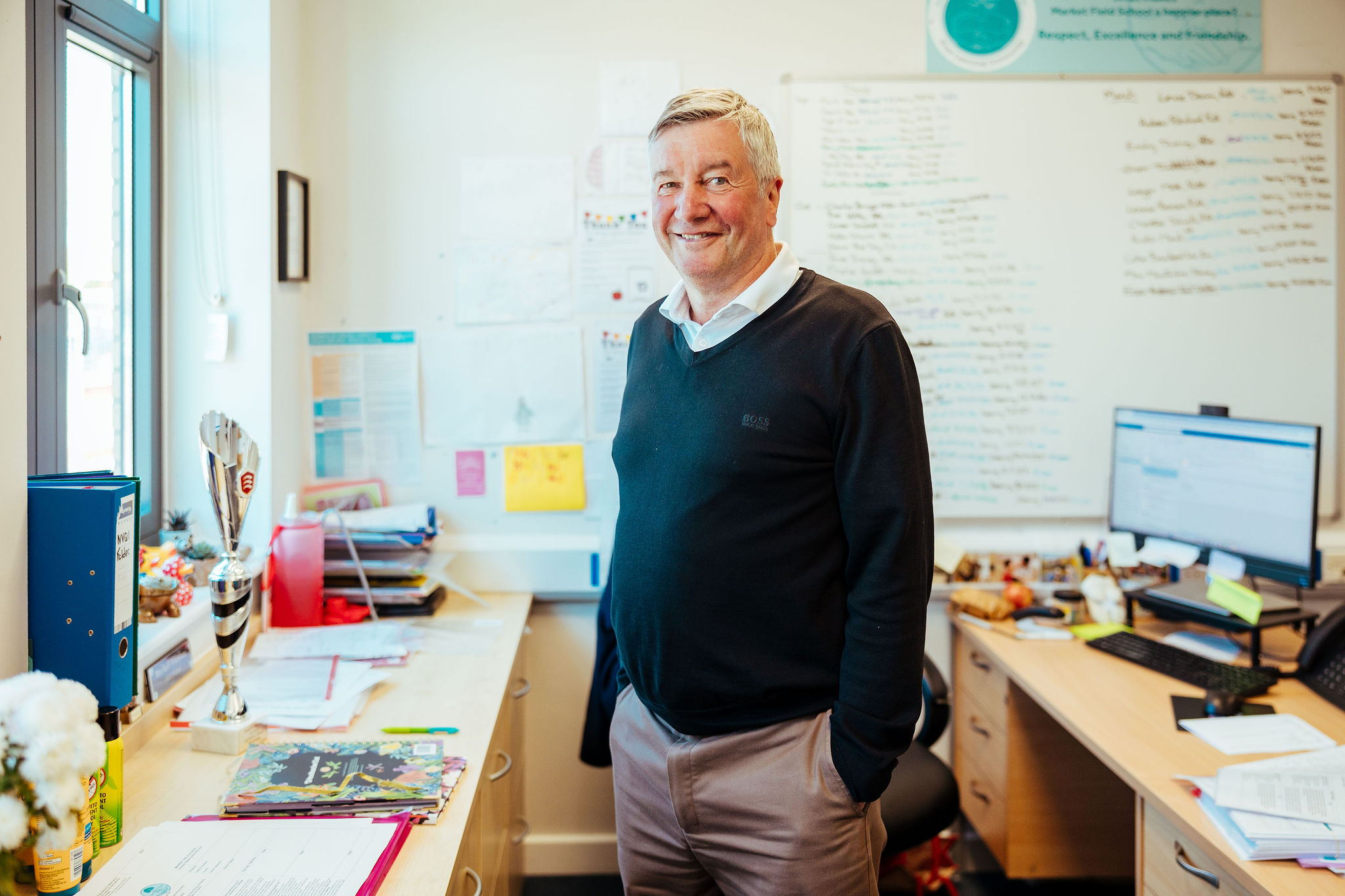
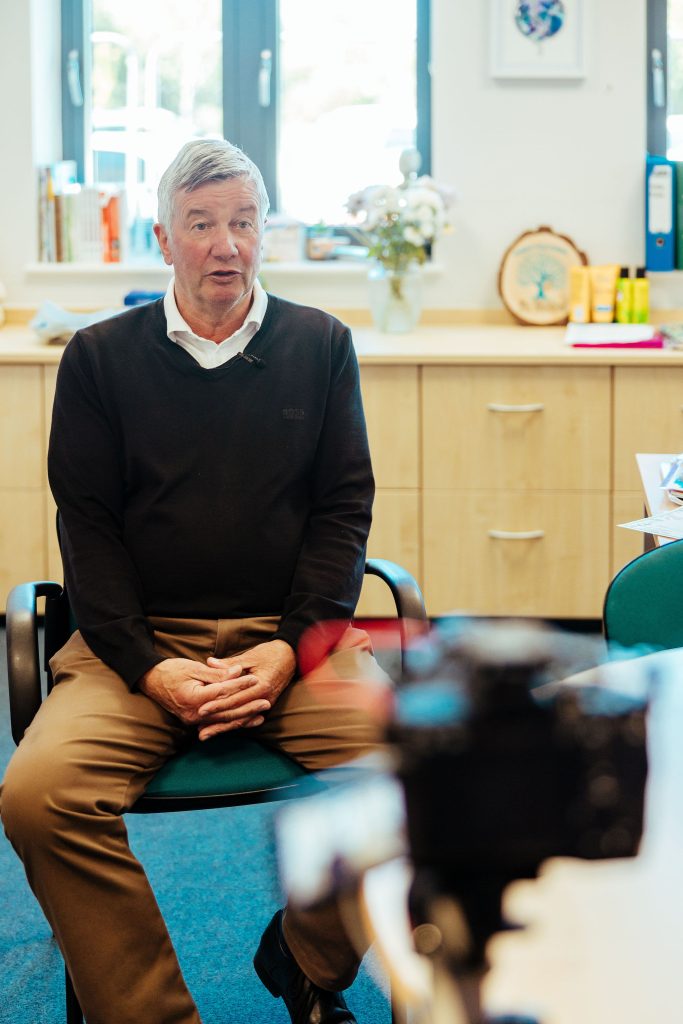
That’s something Chloe, CFO of Hope Learning Community Trust, touches on in our latest case study. Rather than waiting until sustainability targets were imposed upon them, the Trust chose to get ahead of the curve and take control of the opportunity.
Our role was to make that process as straightforward as possible.
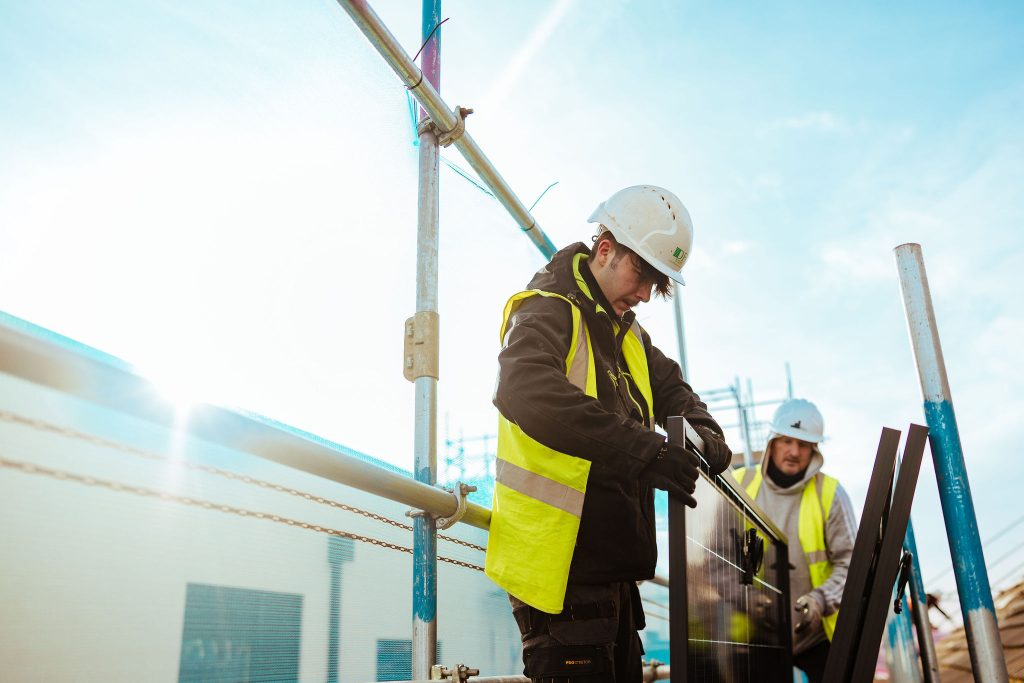
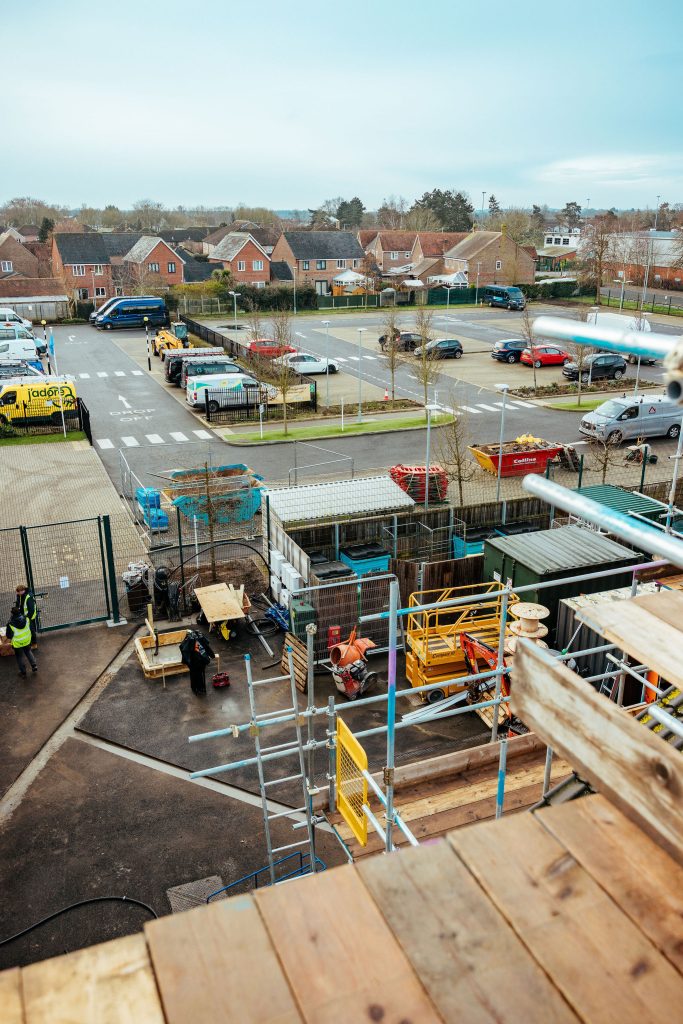
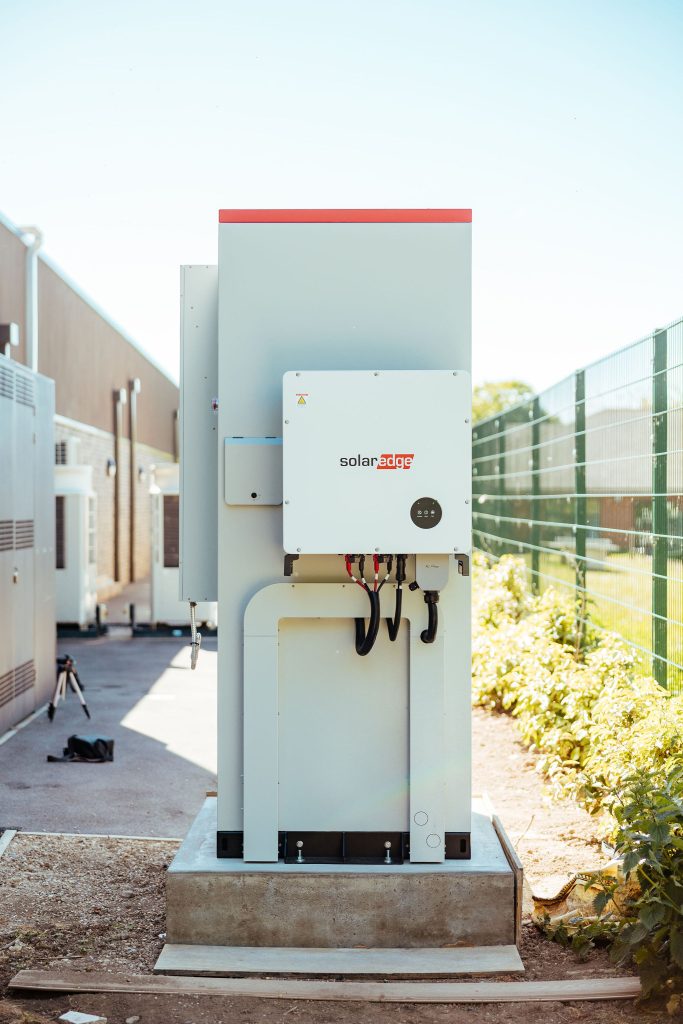
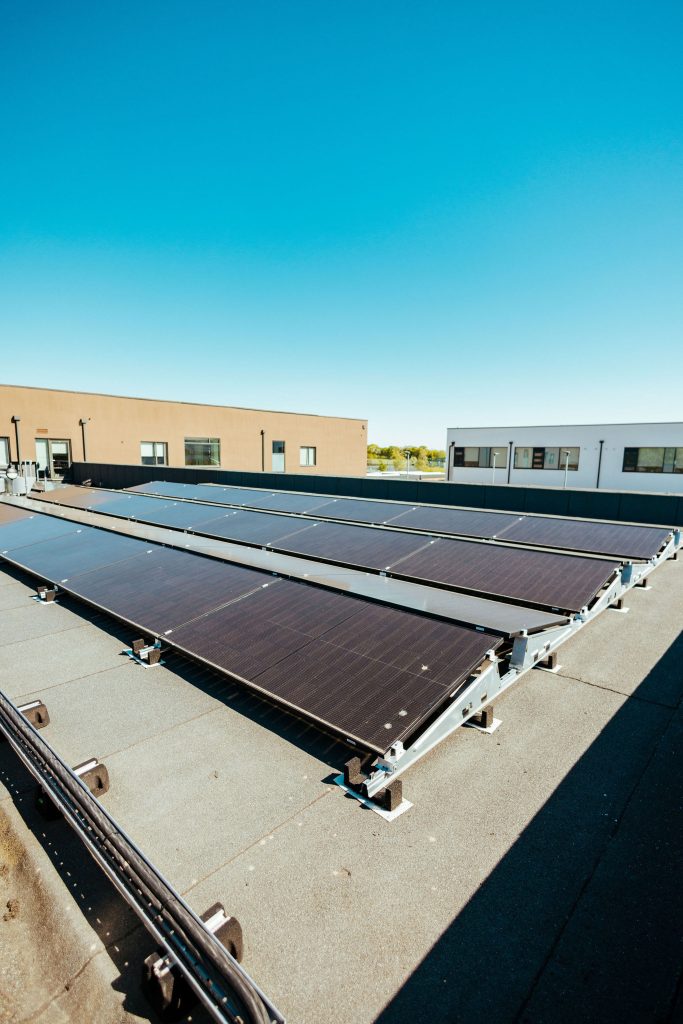
Across four school sites, we delivered a solar, battery and EV charging solution designed around the realities of a live educational environment. Careful planning meant work could be completed with minimal disruption to staff, students and day-to-day school operations, whilst ensuring the system was designed for long-term performance rather than simply maximising panel numbers.

Performance & visibility
The portfolio now includes premium DMEGC bi-facial solar panels, SolarEdge power optimisers and Synergy inverters, integrated EV charging infrastructure and full system monitoring, giving the Trust complete visibility of performance across its estate.
What was particularly encouraging was hearing Alby share that within the first week, the schools were already using 61% of the energy being generated on site.
Because that’s the real objective.
Not just installing solar panels, but helping organisations use more of their own energy, reduce reliance on the grid and create long-term financial resilience.
Across the four sites, the system is projected to generate almost 500 MWh of clean electricity each year, offset around 95 tonnes of carbon annually and deliver more than £7.4 million in lifetime energy savings.

Solar solutions that save
A great example of what can be achieved when sustainability, operational practicality and long-term commercial thinking all come together.
For organisations exploring their own renewable energy journey, this case study offers a useful insight into the questions, considerations and outcomes that matter most.