
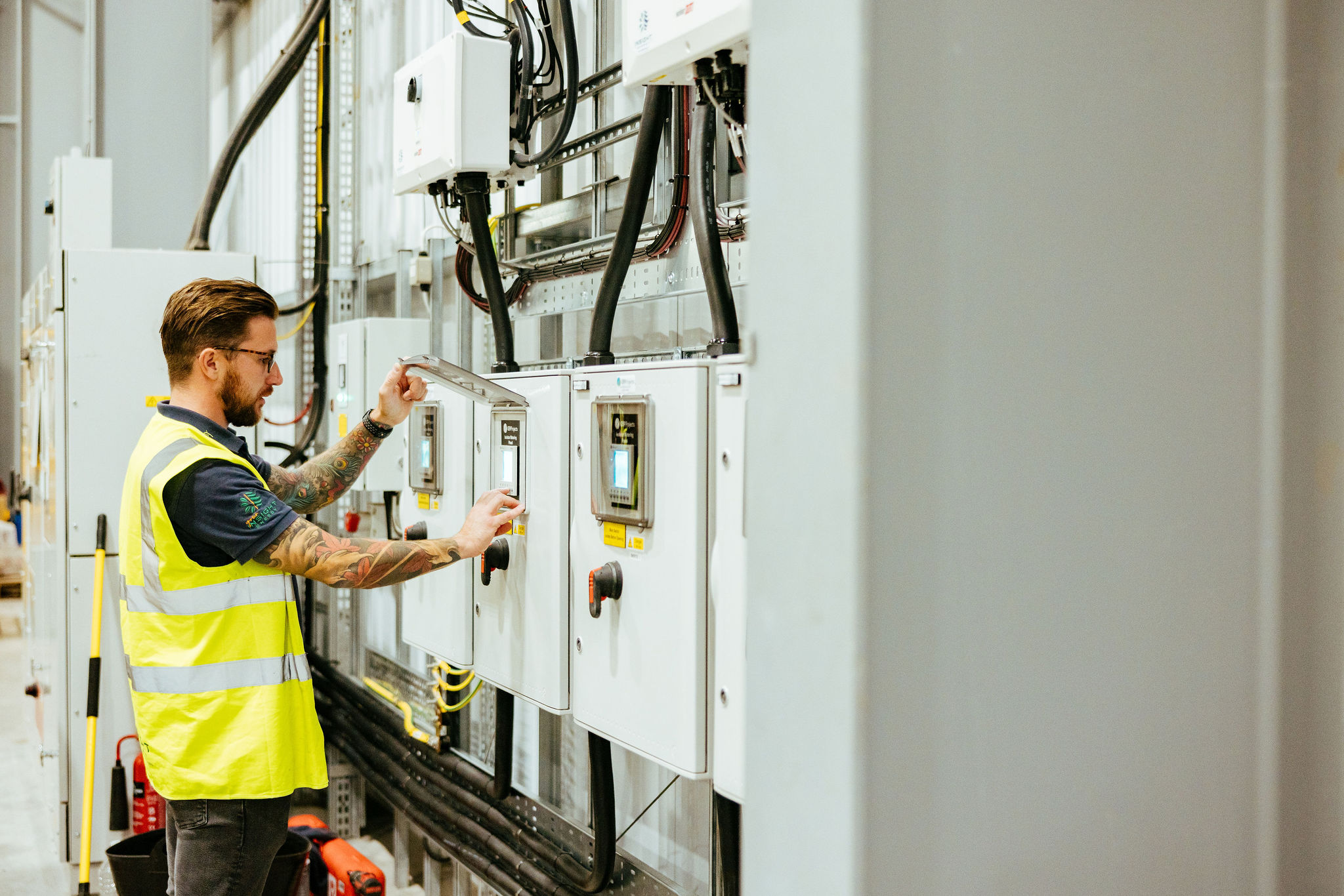
There is a common assumption in renewable energy that once the system is installed, the job is done. Panels are on the roof. The system is live. Savings begin.
But installation is not the outcome. It is the point where performance starts to reveal itself.
Because renewable energy is not a one-off project. It is an operational strategy that unfolds over time, and its success depends on what happens after commissioning.
Performance is driven by context, not just technology
A well-installed system should be expected, with a baseline standard of being safe, compliant and technically sound.
What determines value is how that system performs within the reality of a business:
• When energy is used versus when it is generated
• How much is consumed on site versus exported
• How tariffs interact with actual demand
• Whether storage is aligned to real peaks or assumed ones
Without this context, even well-specified systems can underperform.
Monitoring turns assumptions into insight
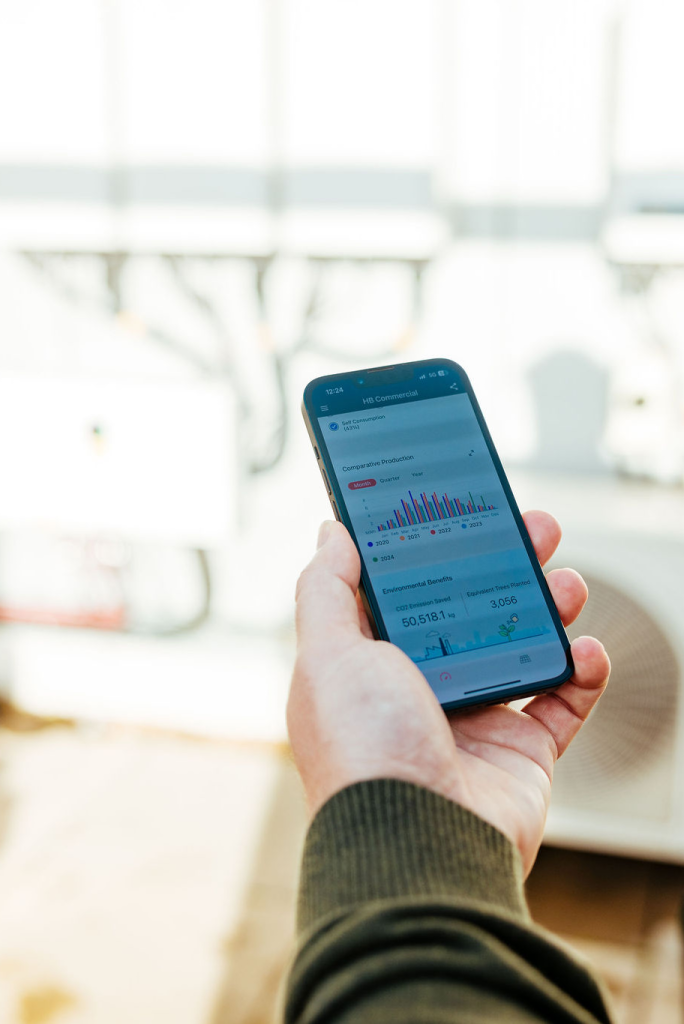
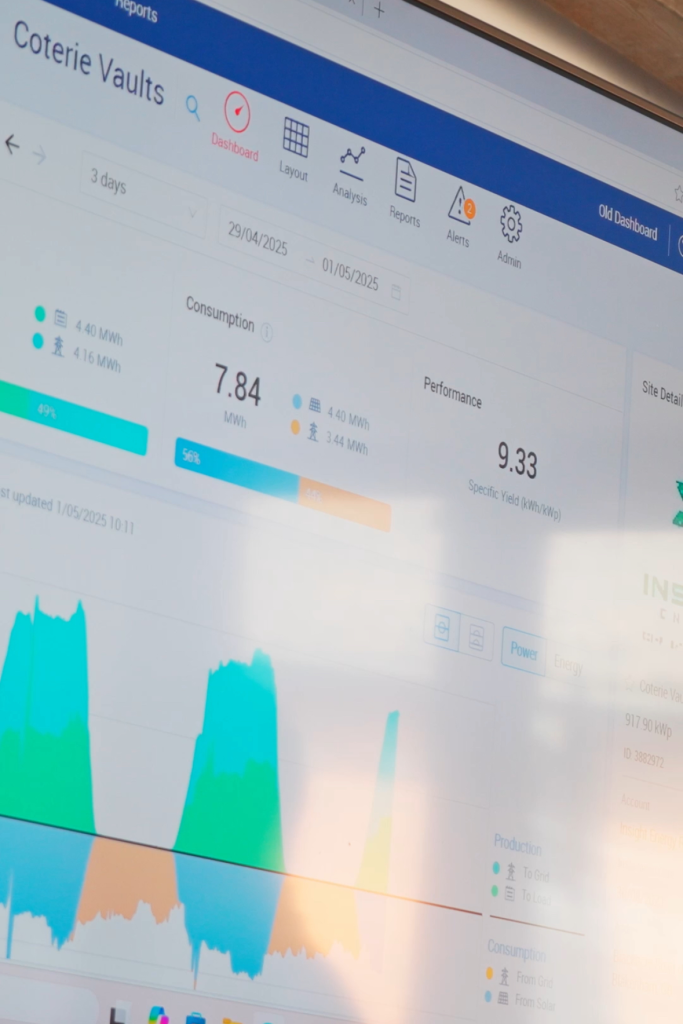
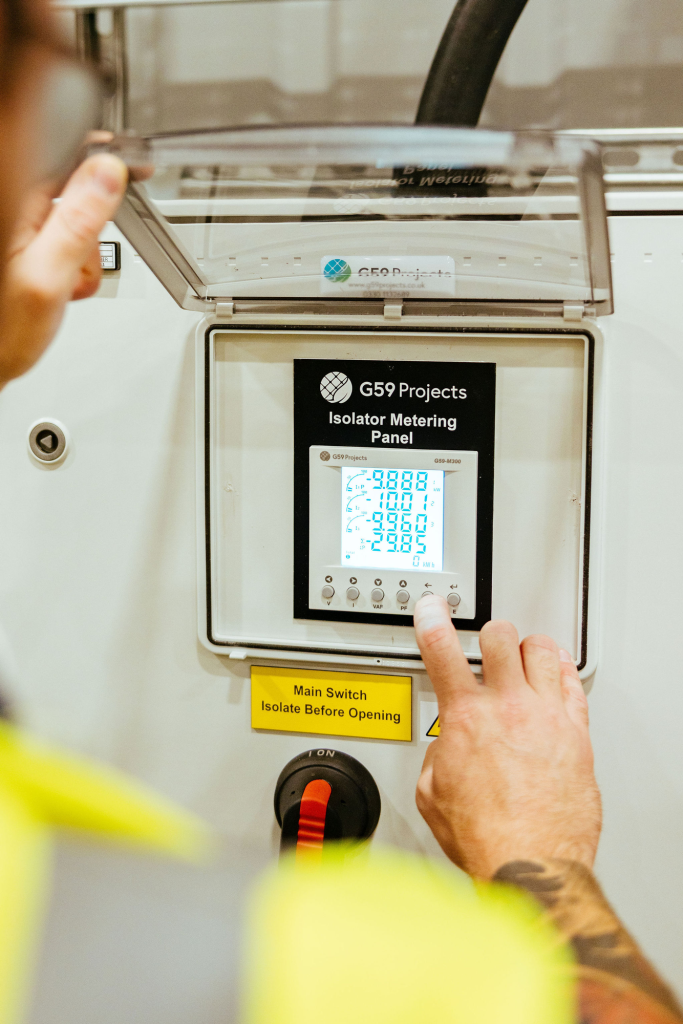
Monitoring is often treated as a visual layer. In practice, it is commercial infrastructure.
It provides clarity on whether a system is delivering against its original intent and where improvement is possible.
With the right data, businesses can:
• Track self-consumption in real terms
• Identify peak demand drivers
• Compare actual performance to financial models
• Detect underperformance early
Without that visibility, performance cannot be validated or improved.
Optimisation protects ROI over time
Financial models are built on assumptions such as consumption patterns, tariffs and operational behaviour. But those variables do not stand still.
Without ongoing optimisation, systems can drift away from the conditions they were designed for. Not immediately, but gradually enough to erode returns.
Optimisation brings systems back into alignment through:
• Adjusting battery behaviour and charge cycles
• Aligning usage with generation periods
• Reviewing tariff structures against real data
• Responding to operational change
This is where long-term value is protected.
Energy strategy is operational
Energy usage reflects how a building is used, and small operational changes can materially improve performance:
• Shifting demand into generation windows
• Reducing exposure to peak pricing
• Increasing on-site utilisation of energy
This is where strategy moves beyond design and becomes embedded in day-to-day operations.
Systems should be designed to evolve
No system should be considered complete at installation.
The most effective strategies allow for:
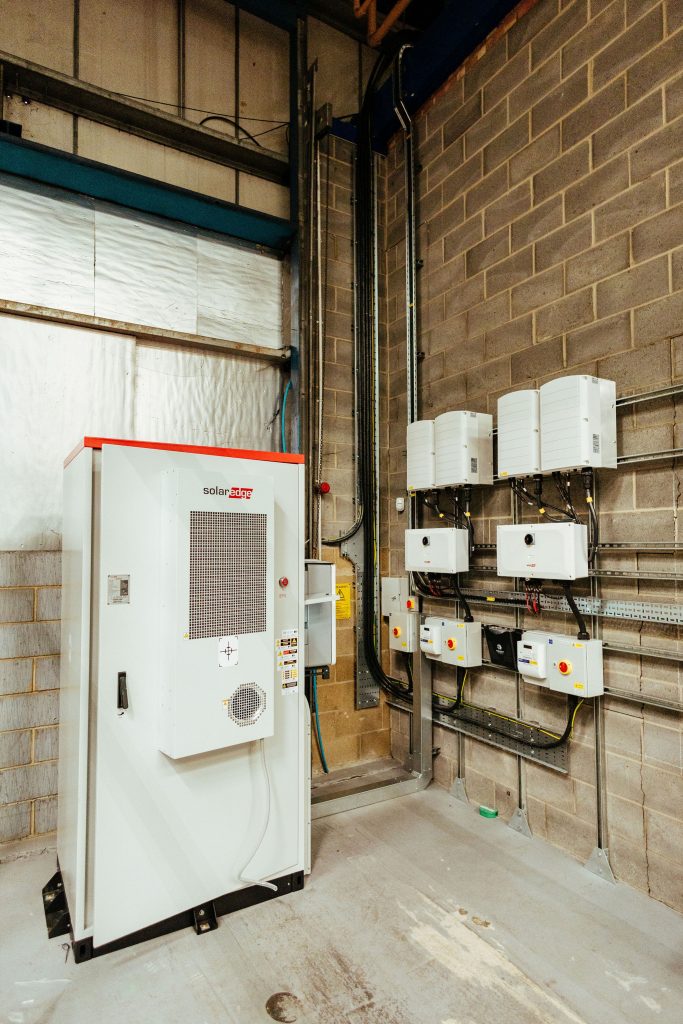
• Future battery integration
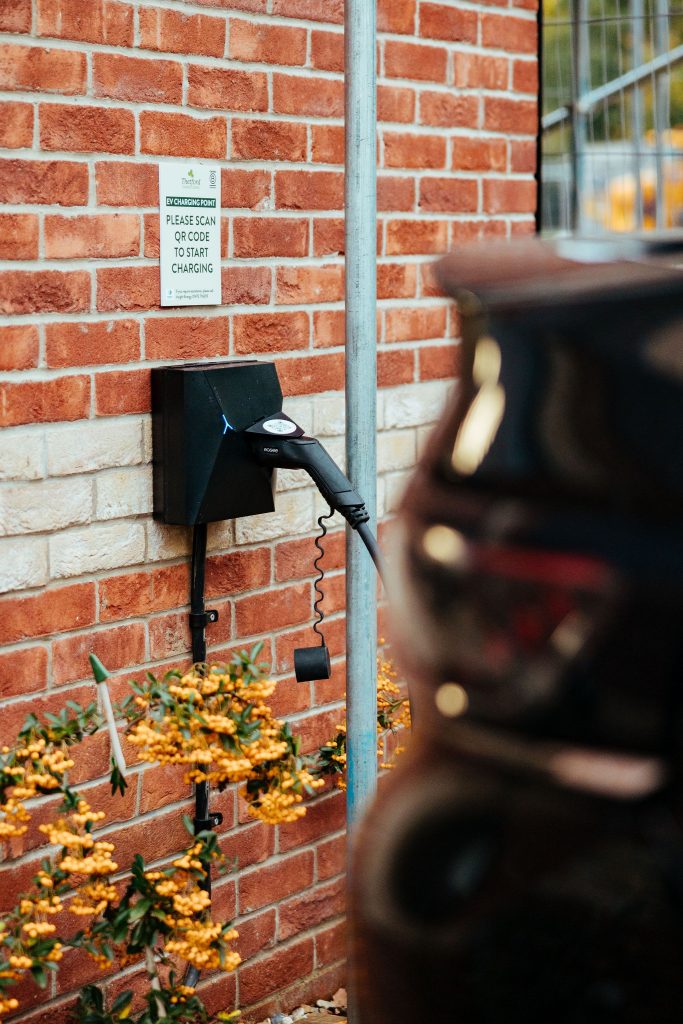
• EV charging expansion
• Load shifting as operations change
• Portfolio-wide optimisation across sites
Flexibility at design stage creates long-term resilience.

A more useful definition of success
A good installation is delivered correctly and as expected. A successful energy strategy continues to perform, adapt and improve over time.
At Insight Energy, our role is to ensure systems stand up commercially and operationally over their full lifecycle, not just at handover. That means combining monitoring, analysis, optimisation and ongoing insight into a single, structured approach.