
Reaching our 100th commercial renewable energy project recently gave us a good opportunity to reflect.
Not just on the projects themselves, but on the patterns we’ve seen across them. Interestingly, it’s those same observations that have shaped many of the conversations we’ve been sharing on LinkedIn throughout July.
It’s easy to assume that similar buildings should have similar renewable energy systems. If two sites have comparable roof space or annual electricity consumption, surely the solution should look much the same. But, in practice, it rarely does.


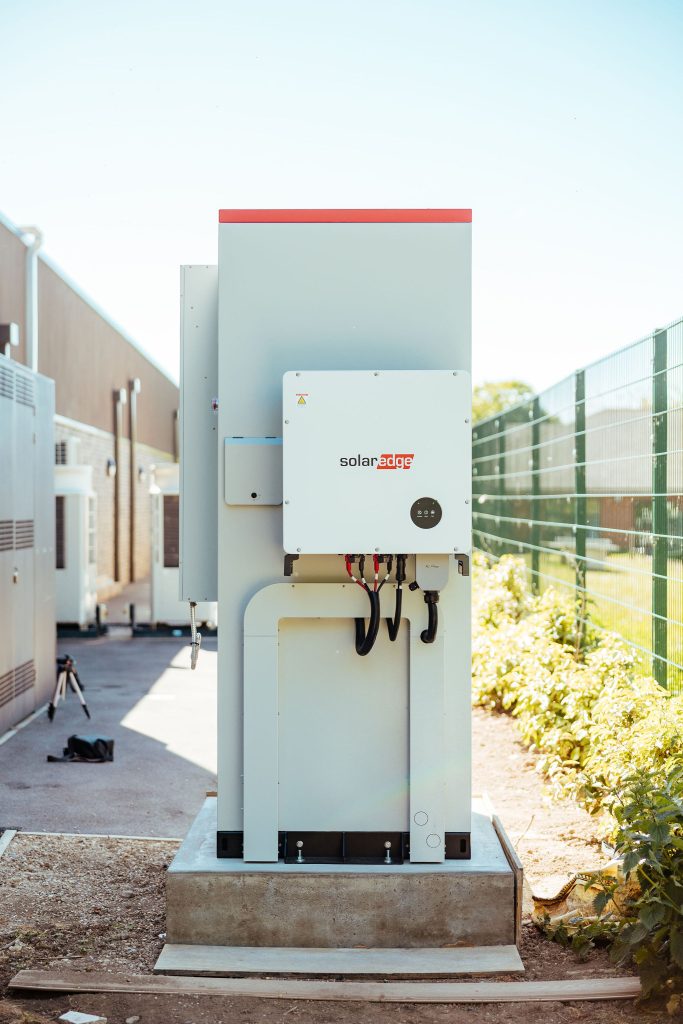
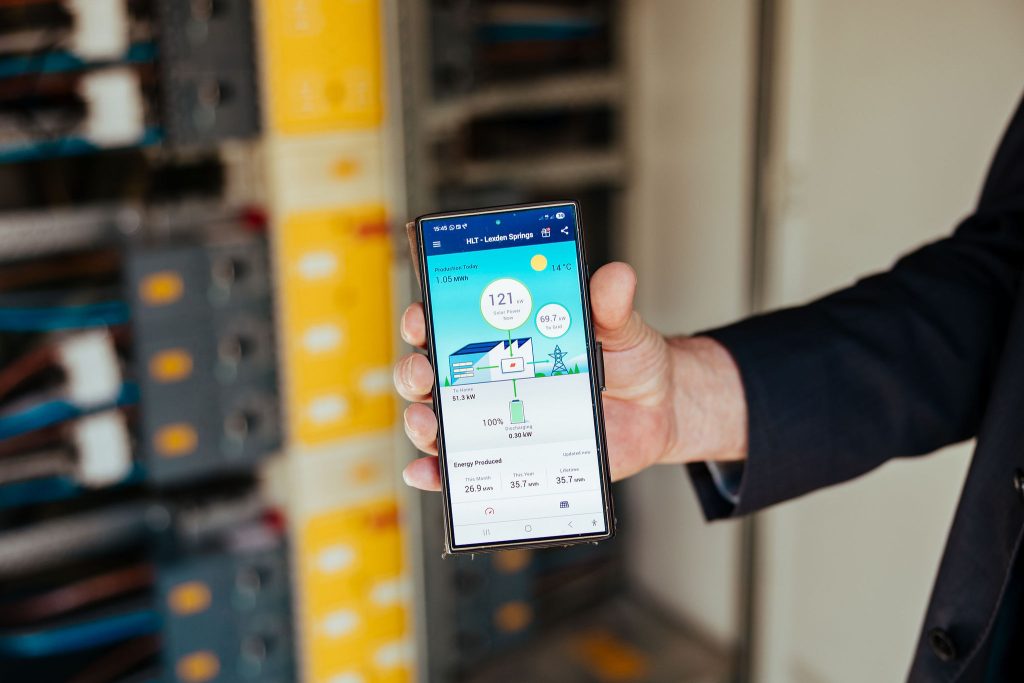
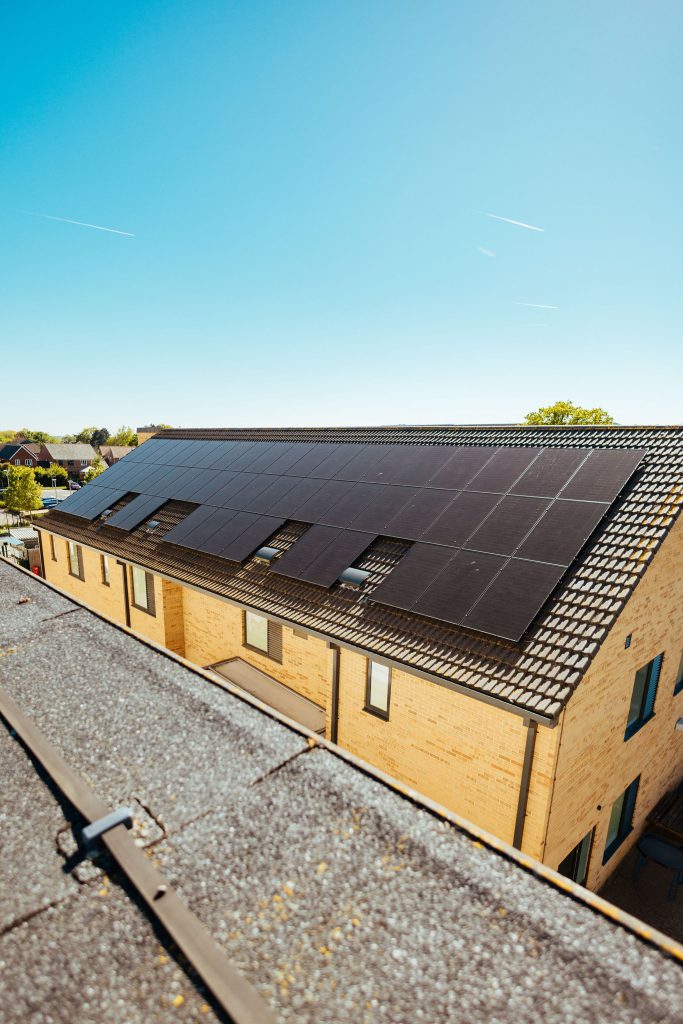
Two businesses can use the same amount of electricity over a year, yet consume it in completely different ways. One may operate around the clock, another only during office hours. One may be planning future expansion, while another is focused on reducing operating costs today.
The building is only part of the equation. Understanding how the organisation uses energy is what shapes the right solution.
That’s why we believe renewable energy projects should never begin with technology.
The conversation shouldn’t start with how many panels will fit on the roof or what size battery should be installed. It should start with understanding the site, the organisation’s objectives and how success will actually be measured.
Only then does the right solution become clear.
It’s also why we’ve spoken so much recently about self-consumption. A larger system isn’t automatically a better investment if much of the electricity generated is exported. Equally, a smaller system can deliver excellent commercial value when it’s designed around the way a business actually operates.
The goal isn’t to maximise installed capacity.
It’s to maximise value.


Looking back across our first 100 projects, that’s probably the biggest lesson we’ve learned. No two organisations are identical, so we shouldn’t expect their energy strategies to be either.
Different sites should produce different answers.
What should remain consistent is the quality of the thinking behind them.