
Overview
As part of Hope Learning Trust’s ongoing commitment to sustainability and reducing Scope 2 emissions across its estate, the Trust has invested in a comprehensive renewable energy programme including solar PV, battery storage, and EV charging infrastructure.
The installation enables the Trust to generate a significant proportion of its own electricity on-site, reducing reliance on grid-supplied energy while helping to lower operational costs and carbon emissions. By adopting renewable energy technologies, Hope Learning Trust is taking proactive steps to support the Department for Education’s Sustainability and Climate Change Strategy and demonstrate environmental leadership across the education sector.
The project was delivered with minimal disruption to day-to-day school operations, ensuring continuity for staff and students throughout implementation. Through this investment, Hope Learning Trust is creating a more resilient and future-focused estate, showing how educational excellence and environmental responsibility can work hand in hand.
Client feedback video below.
Portfolio System Performance Projection (4 school sites combined)
| Annual Energy Production | 495 MWh |
| Annual CO2 Emissions Saved | 95 tonnes |
| Average Self-Consumption | 66% |
| Average Payback | 5 Years |
| Average Internal Rate of Return | 22% |
| Lifetime bills savings | £7,429,517 |




System Components
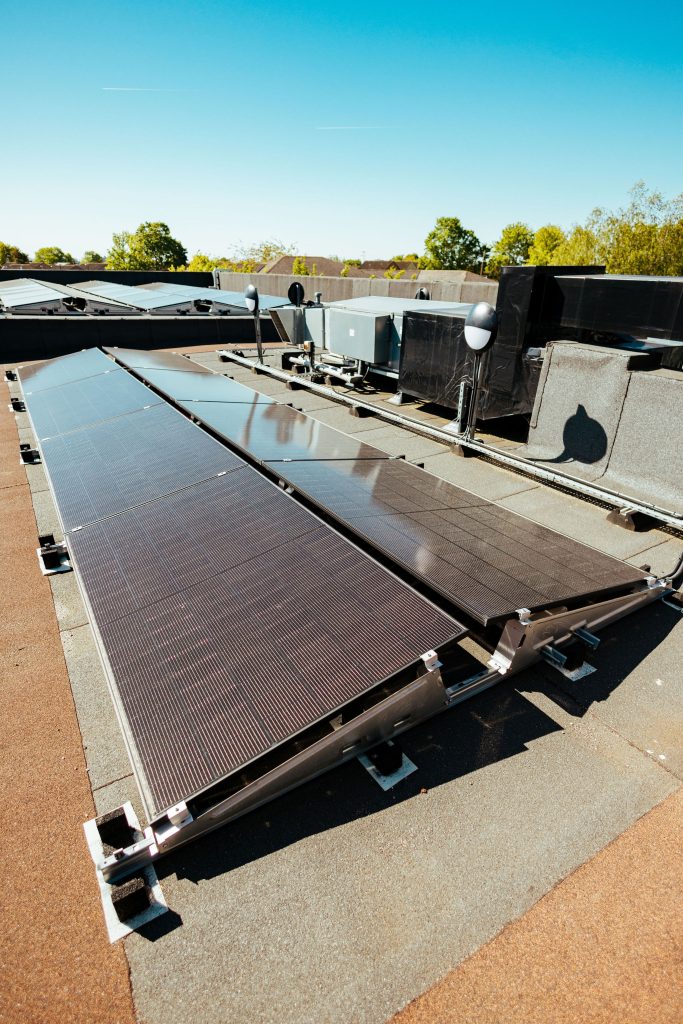
DMEGC Bi-Facial Solar Panels: The installation uses premium DMEGC solar panels, known for their excellent efficiency and sleek aesthetics.
SolarEdge Power Optimisers: Each panel is equipped with a SolarEdge power optimiser, which enables individual panel monitoring and performance optimisation. This technology mitigates the effects of partial shading and ensures maximum energy harvest from each panel.
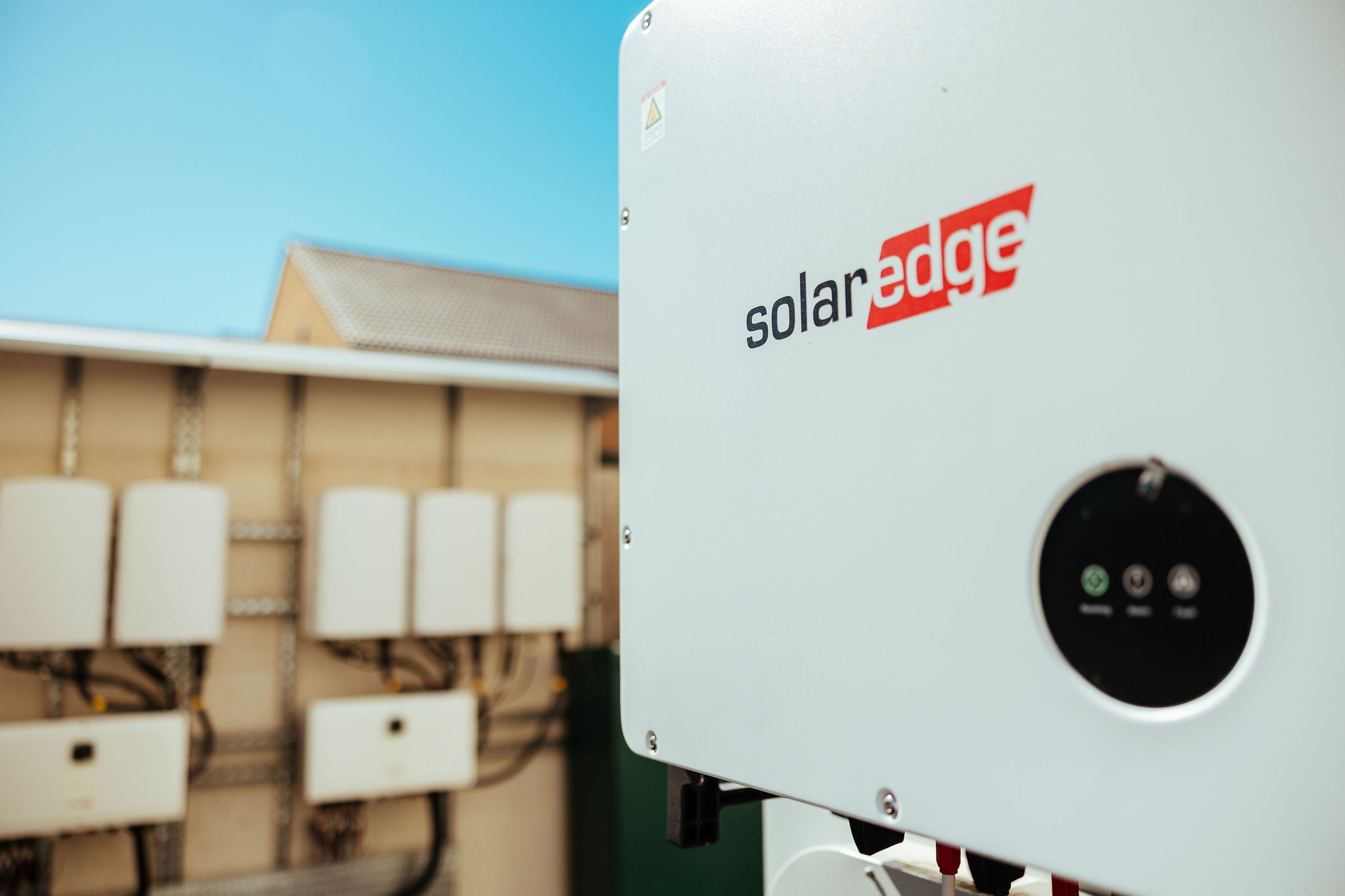
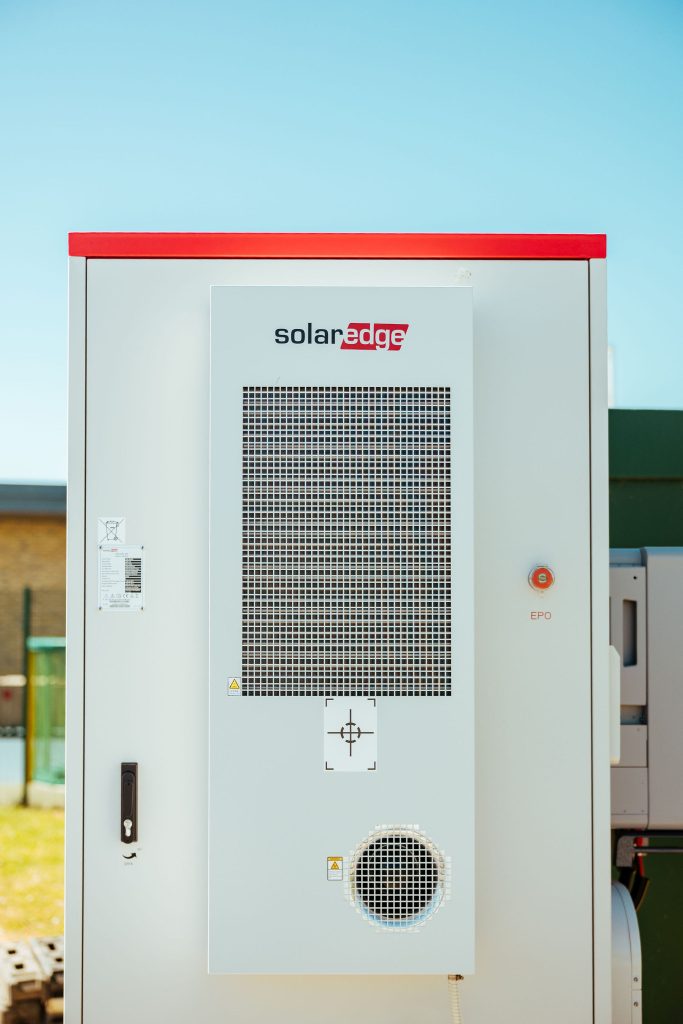
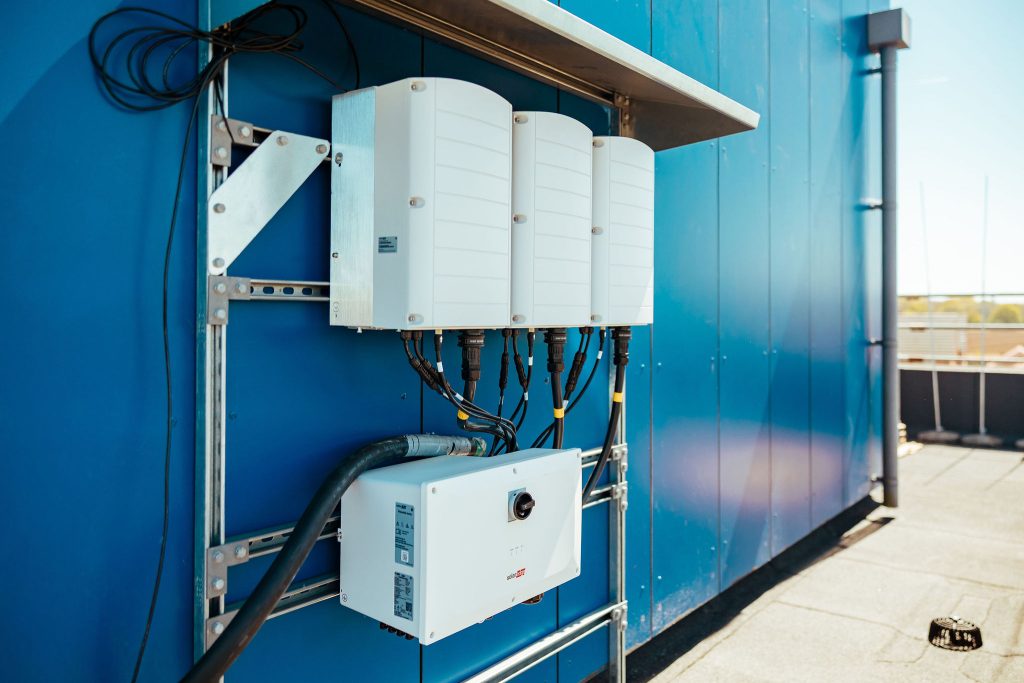
SolarEdge Synergy Inverter: The system features SolarEdge inverters, which work with power optimisers to convert DC electricity from the panels into AC power for home use. This inverter is designed for seamless integration with the SolarEdge ecosystem, including the battery storage system.
Doncaster PV Ultra Cabling: PV-Ultra cables are engineered explicitly for DC installations in photovoltaic systems. Designed with high-quality materials for an anticipated lifespan of about 25 years and can operate at average maximum conductor temperatures of 90°C, with short-term tolerance up to 120°C.
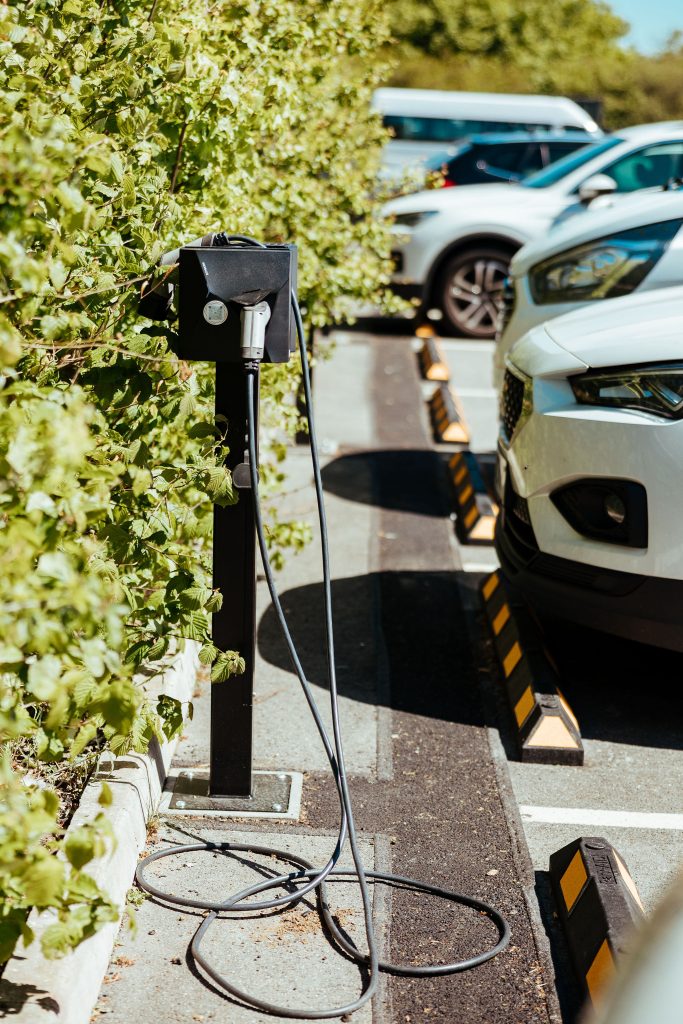
NexBlue EV Chargers: This site invested in a fully integrated NexBlue EV Charging infrastructure that works seamlessly with the SolarEdge C&I One platform.