

We’ve been chatting a lot over the last month on this topic. When organisations begin exploring solar PV for business, battery storage or EV infrastructure, the conversation understandably gravitates toward one question:
What’s the payback?
We cannot underestimate the importance placed on return on investment. Capital projects must justify themselves. But commercial solar ROI is only as reliable as the data that underpins it.
A projected three- or four-year return may look compelling in a proposal. The more important question is whether it will hold steady once the system is operating in the real world.
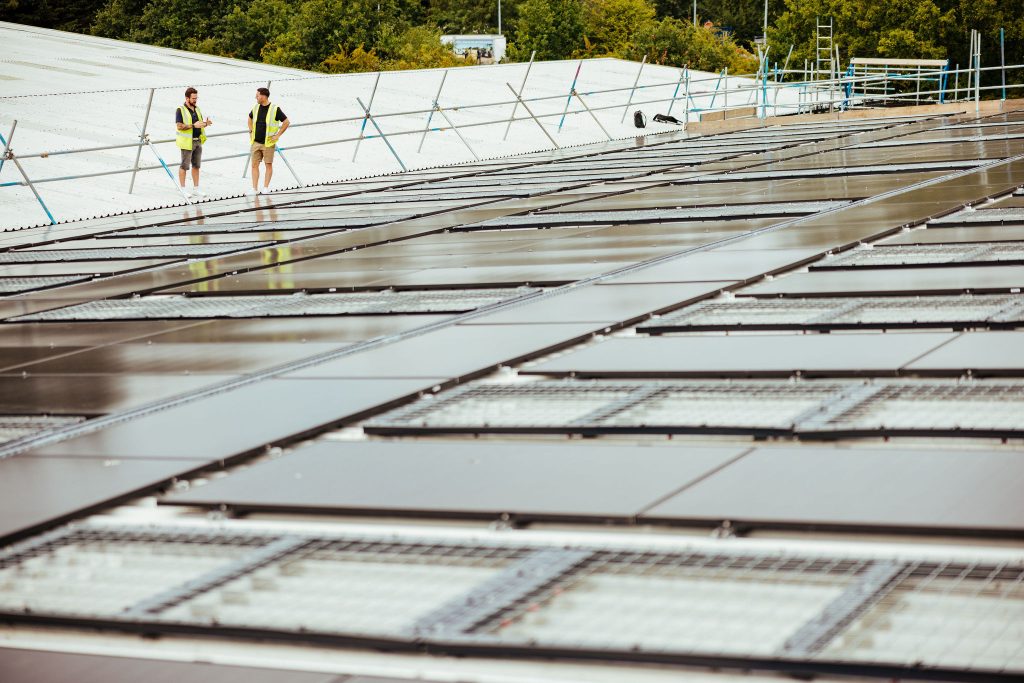
The assumptions behind commercial solar payback
Every financial model is built on variables: energy consumption patterns, tariff rates, export values, system performance, operational behaviour and future growth.
If those assumptions are simplified or optimistic, the numbers move.
For example:
- Is the system sized using real half-hourly consumption data, or a generic profile?
- Has self-consumption been modelled against how the building actually operates?
- Are export revenues based on conservative projections?
- Have likely changes in demand or grid charges been considered?
These are not technical footnotes. They form the foundation of a credible investment case.
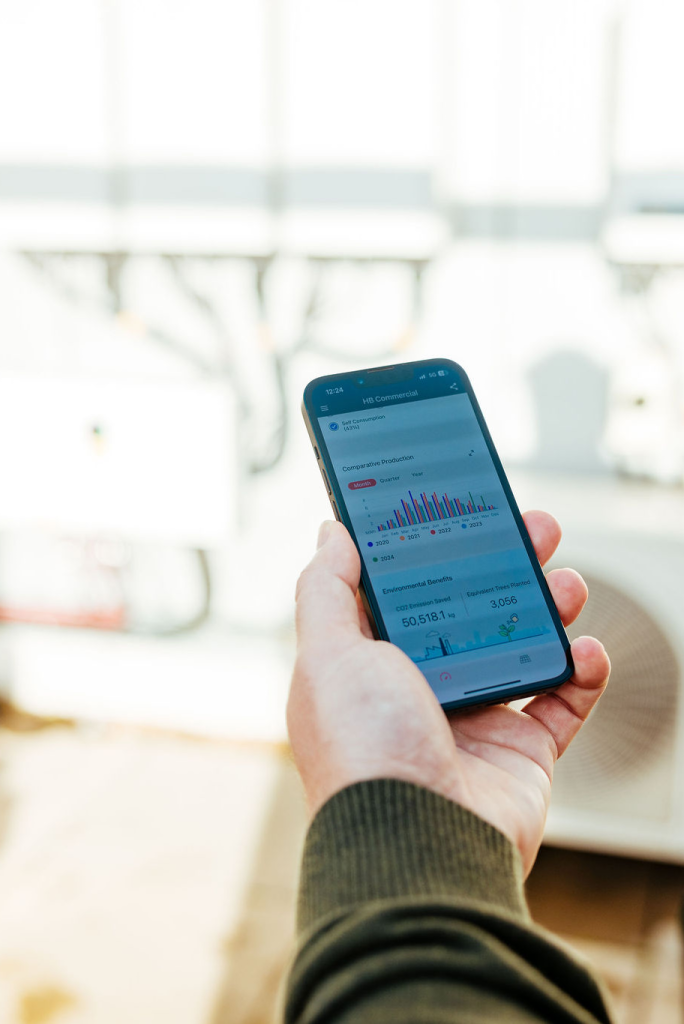
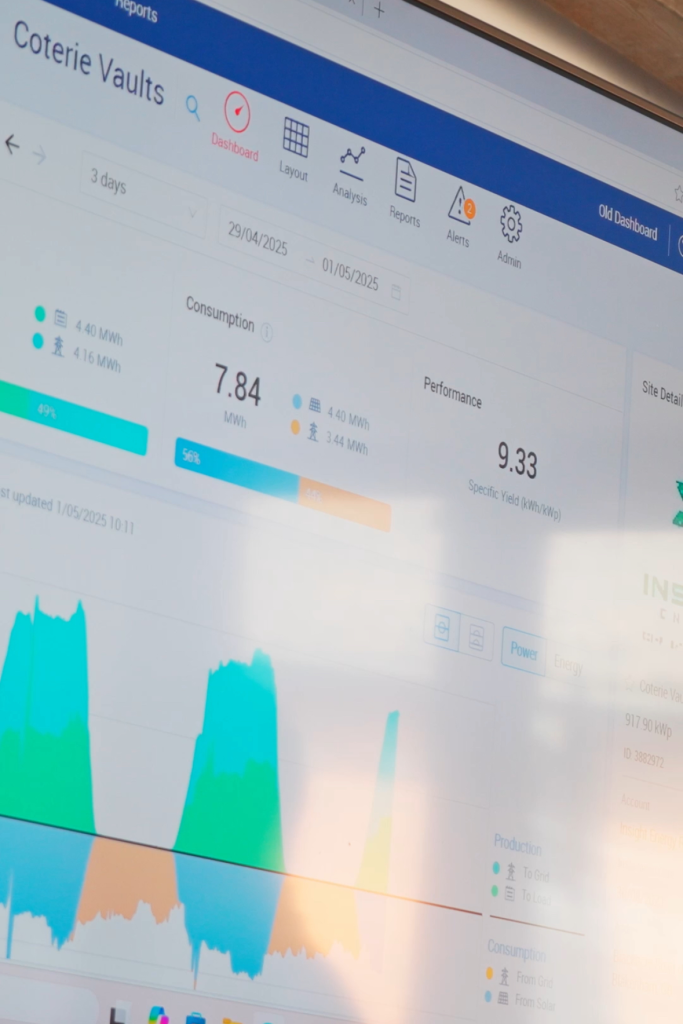
At Insight Energy, our approach is data first. Decisions and specifications must be backed by evidence, not assumptions or generic formulae. That discipline ensures projected savings are grounded in operational reality.
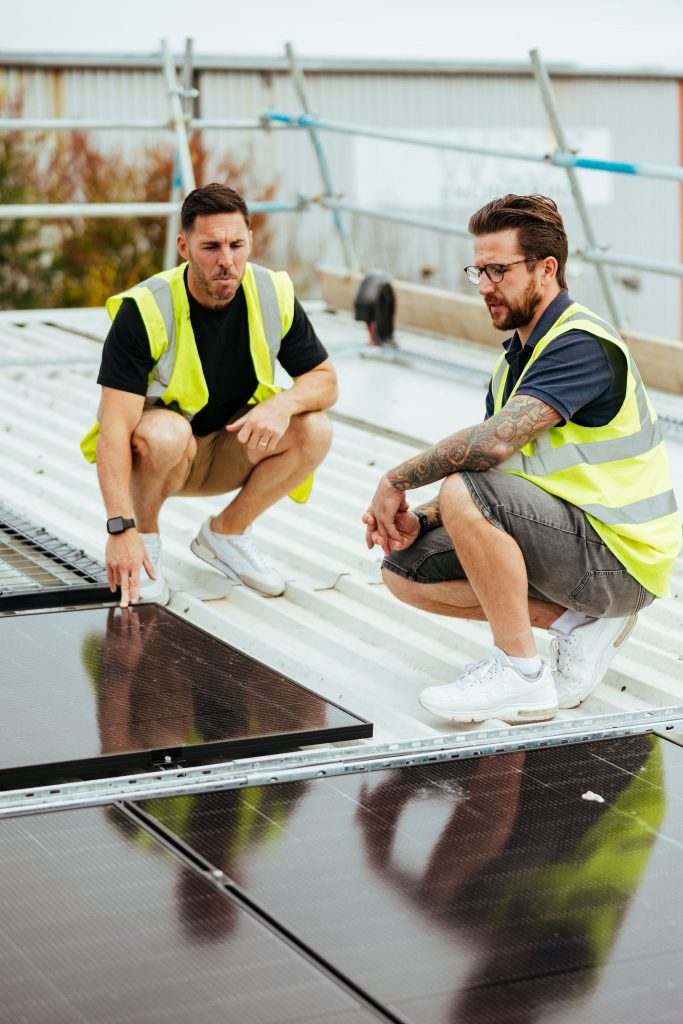

Feasibility… before design begins
A strong renewable energy project does not begin with panel layouts or inverter selection. It begins with understanding.
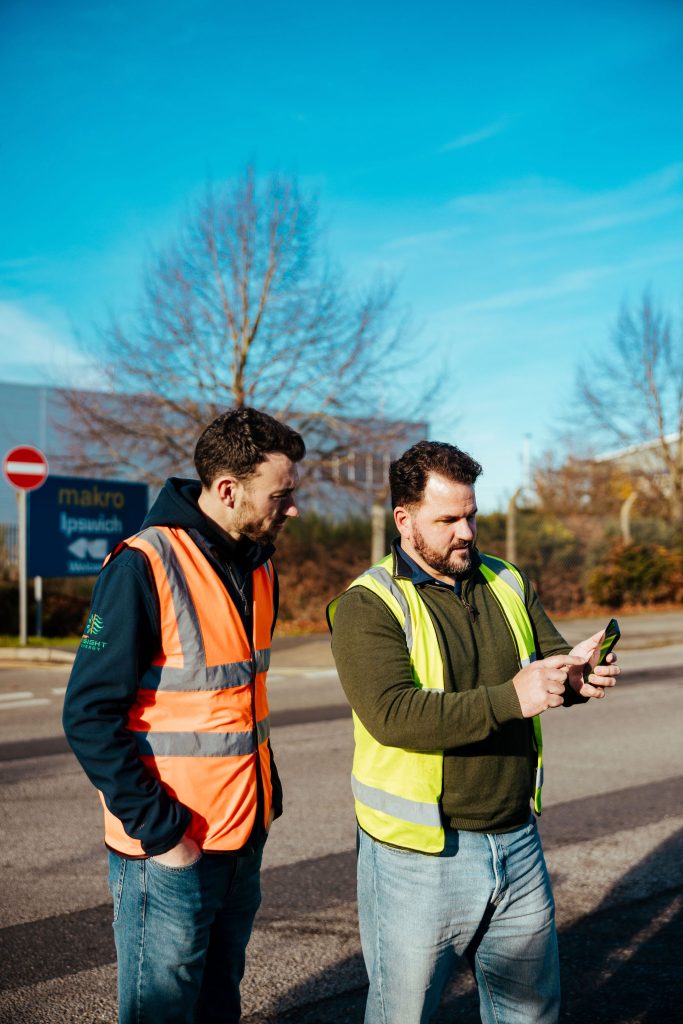
Our structured process is designed to remove risk and avoid surprises. It starts with a desktop feasibility assessment using up-to-date site information and real energy data, forming the basis of a robust renewable energy feasibility study.
From there:
- An alignment meeting confirms priorities and operational goals
- A detailed site survey validates structural integrity and electrical integration
- Financial modelling is refined against confirmed constraints
- Final pricing reflects a clearly defined scope of works
Alongside this, our design and consultancy framework includes detailed energy needs analysis, bespoke PV array design, electrical planning, component selection and full DNO application management. Where required, we coordinate additional specialist partners- from civil engineering and groundworks to logistics and environmental consultants- delivering a complete turnkey project that removes complexity from our clients.
Every stage ensures technical design, operational requirements and financial modelling remain aligned.

Data-driven energy decisions as commercial risk management
In a volatile energy market, modelling accuracy is not simply good practice- it’s risk management.
Our data-led approach analyses consumption, generation and operational patterns to determine where optimisation genuinely exists. It allows us to assess whether battery storage will materially improve flexibility, whether EV charging can increase on-site utilisation, and how exposure to peak tariffs can be reduced.
Without this level of interrogation, systems are often sized generically. They may meet a budget but fail to optimise performance over time. The impact is rarely visible in year one; it tends to emerge gradually across years three, five and beyond.
A renewable energy system is a long-term asset and it should be designed with that horizon in mind.
Designing for stability in a changing energy market
We know that energy markets evolve, tariff structures shift and as operational demand grows, grid regulations have to adapt too.
A system designed purely to achieve the shortest payback may perform adequately under stable conditions. But a system designed with sensitivity analysis, conservative assumptions and built-in operational flexibility is better positioned to maintain performance as those external variables change.
We have built a culture around doing business “the Insight Way”- embedding transparency, accountability and long-term thinking into every decision. The same principles guide how we approach renewable infrastructure design.
We are not interested in slowing progress unnecessarily. But we do believe organisations should invest in solar ecosystems from a position of knowledge, clarity and confidence.

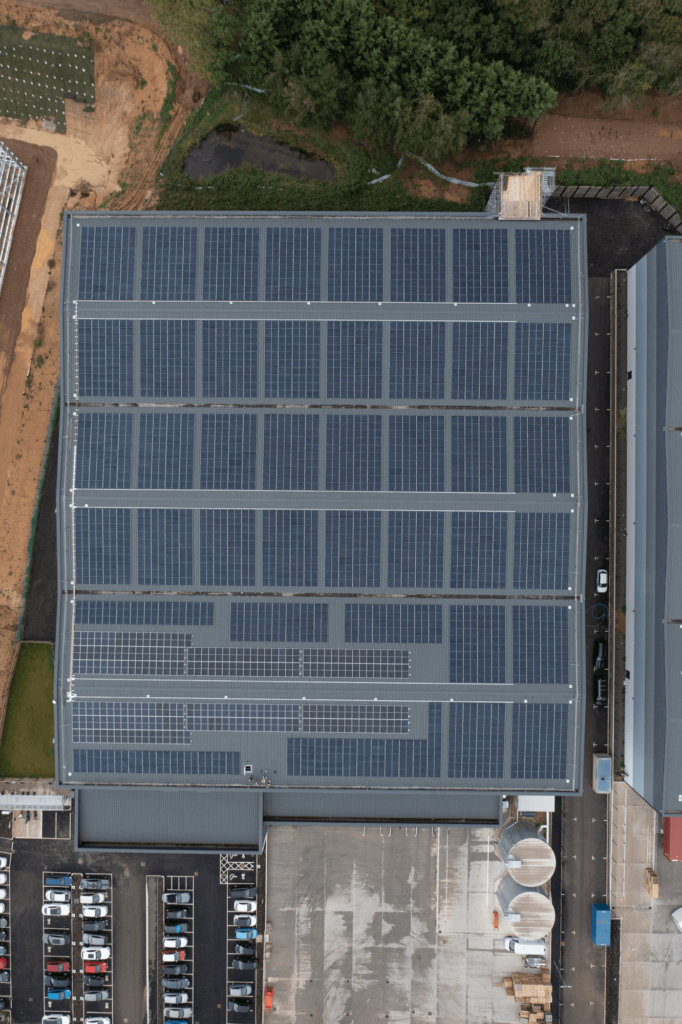
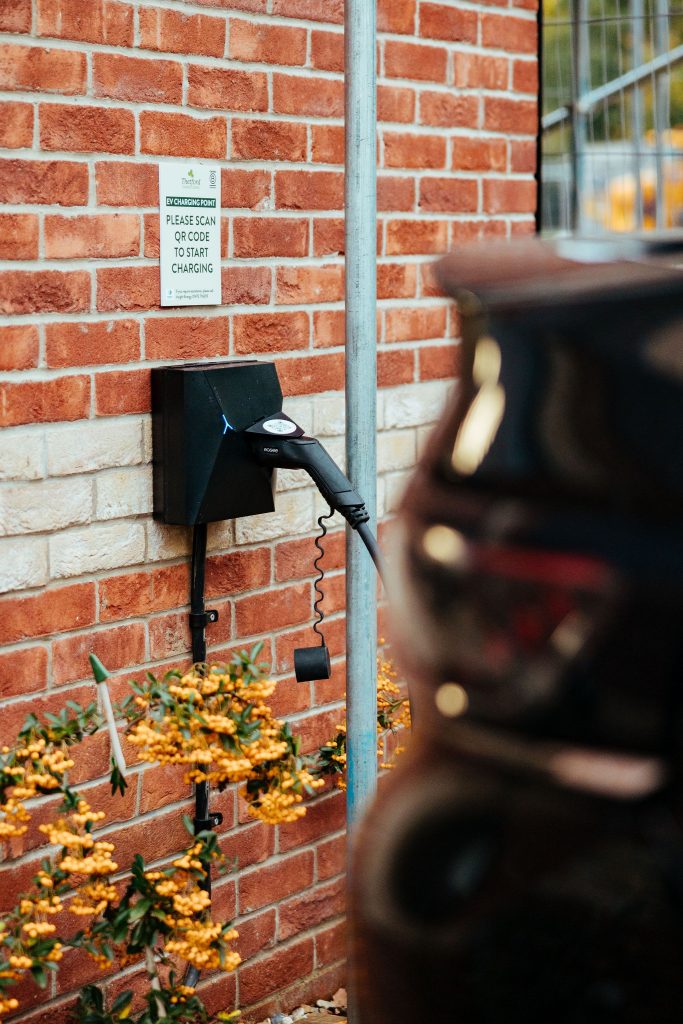
From equipment purchase to energy strategy
There is a reframing to this conversation. It is not simply about purchasing equipment, but about making an energy strategy decision.
Looking holistically at your energy strategy- considering operational behaviour, financial resilience, technical integration and future growth as a whole, provides a distinct advantage. It ensures that the assumptions made today remain valid tomorrow.
In an environment defined by volatility, long-term stability protects commercial solar ROI. And that stability begins long before installation is even scheduled.
A Space to Ask the Right Questions
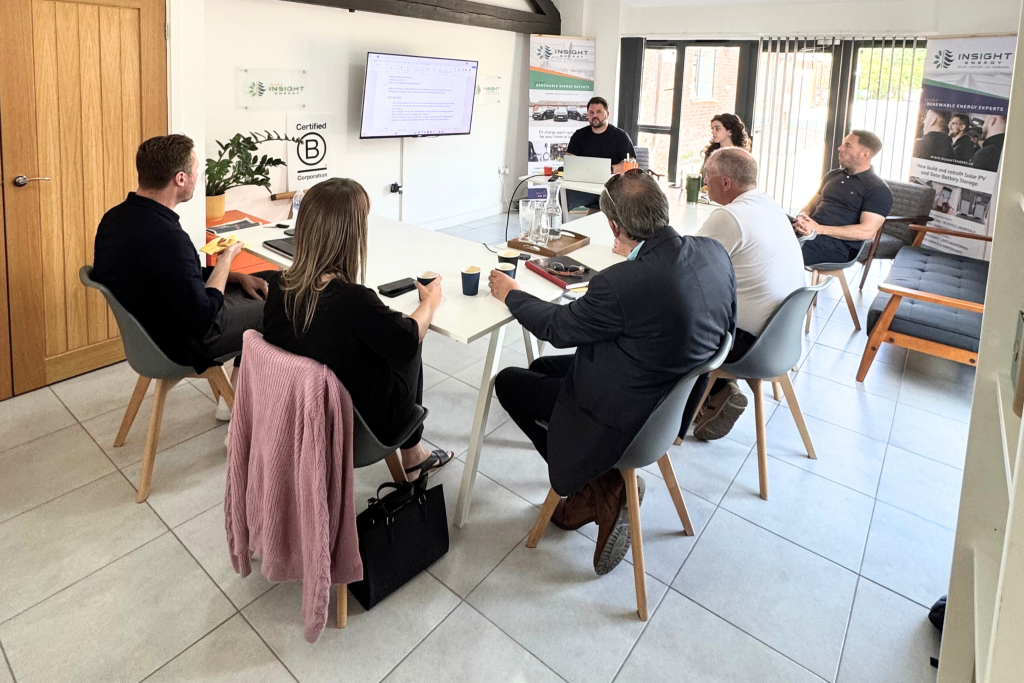
If you are weighing up commercial solar, battery storage or wider renewable investment and want clarity before committing capital, InsightHUB was created for exactly that purpose.
InsightHUB sessions provide a space to explore modelling assumptions, understand how payback projections are constructed and ask the questions that genuinely strengthen an investment case- without sales pressure or obligation.
Our mindset is better questions lead to better energy decisions.
You can find details of our upcoming InsightHUB sessions here: READ MORE