It’s easy to think of renewable energy as a technology purchase. Solar panels, battery storage, EV charging infrastructure. Select the right system, install it, and the savings should follow.
But the technology itself is rarely the real decision. It is simply the tool.
What determines whether a renewable energy investment delivers commercially and operationally is the thinking behind it. Without that strategic layer, even well-installed technology can struggle to deliver the outcomes organisations expect.
Technology without strategy is just equipment
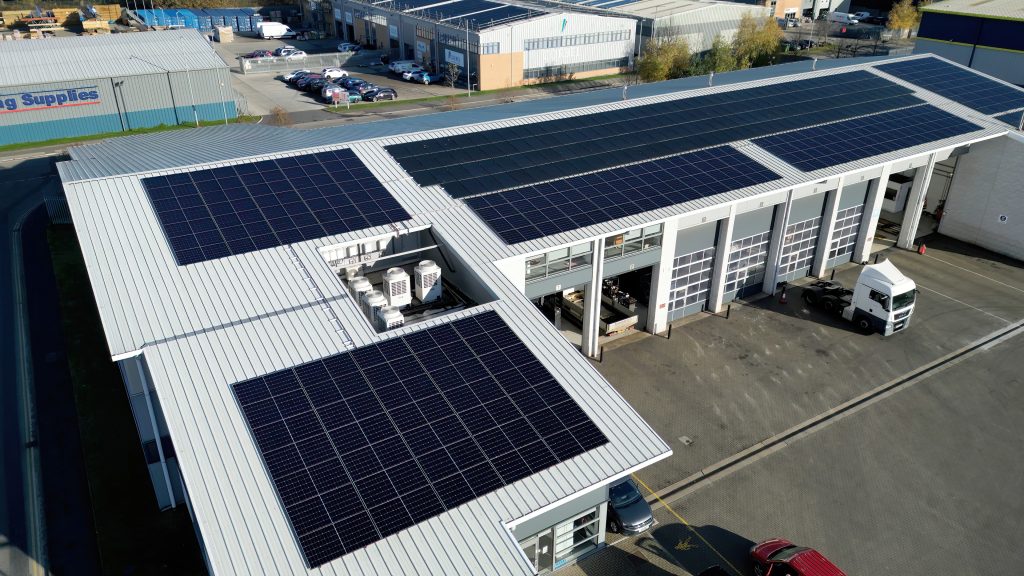
A solar array installed without understanding half-hourly consumption patterns is simply hardware on a roof. If generation peaks when demand is low, large volumes of electricity may be exported at minimal value while the business continues importing power during more expensive periods.
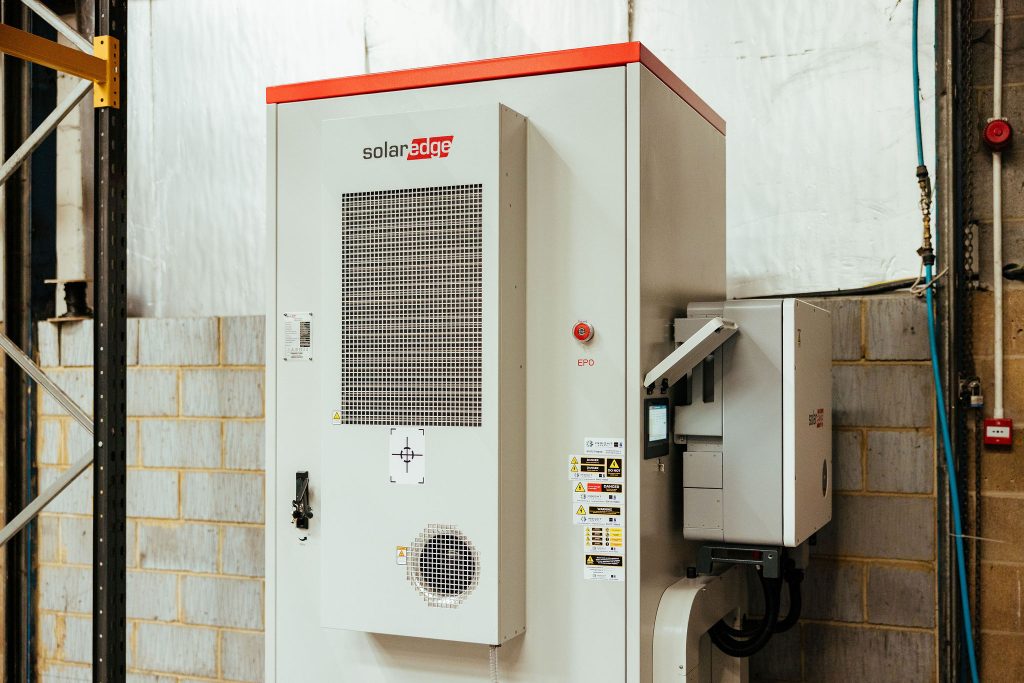
Battery storage presents the same challenge. On paper, the financial case can look compelling. In reality, battery performance depends entirely on tariff structures, demand peaks, export constraints and operational flexibility. Without that context, batteries risk becoming expensive assets that underperform.
EV charging infrastructure can introduce similar issues if it is deployed without modelling capacity, demand growth or behavioural patterns across a site.
None of these technologies are the problem. The issue arises when they are treated as products rather than components within a wider energy strategy.
Why data comes first
At Insight Energy, every project begins with data.
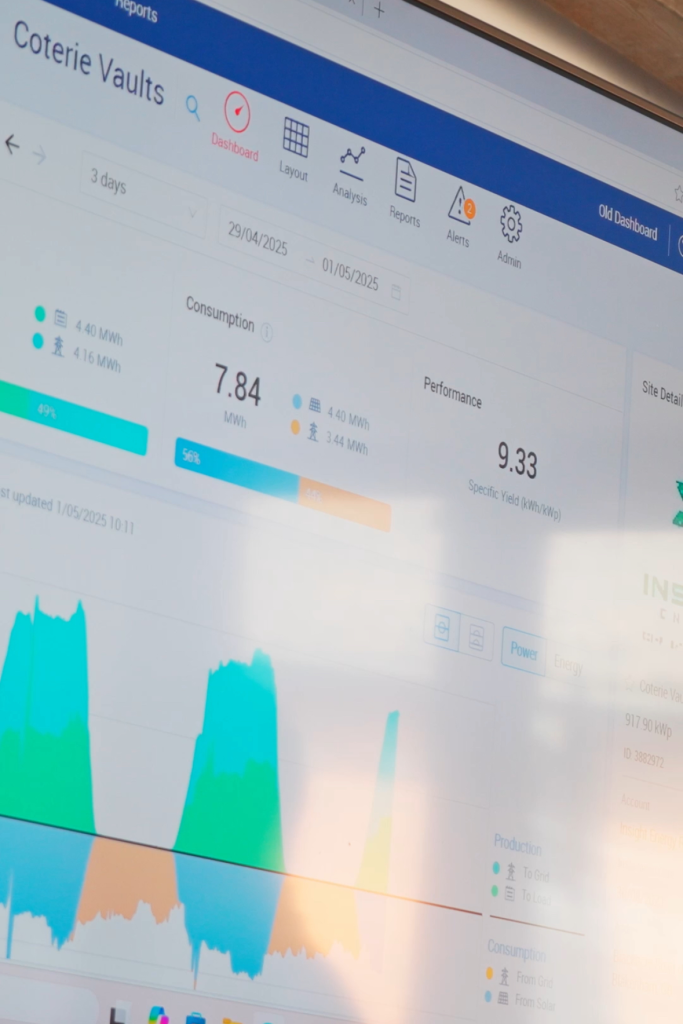
Historic half-hourly consumption data reveals how a site actually behaves. Not the averages on an energy bill, but the detailed patterns showing when energy is used, where peaks occur, and how demand shifts across the day.
Without that level of insight, system sizing becomes guesswork and financial models rely on assumptions that may not hold up over time.
Designing around reality
When operational data informs design, the conversation changes.
Solar capacity is sized to maximise financial performance rather than simply filling available roof space. Batteries are designed to manage peak tariffs or capture value from surplus generation. EV charging infrastructure is phased to align with operational demand and future growth.
Technology choices then become deliberate responses to real site conditions rather than standardised templates.
Renewable energy as a strategic decision
The strongest renewable energy projects are not defined by the technology installed, but by the outcomes they support.
Reducing exposure to volatile energy prices. Improving operational resilience. Strengthening ESG credibility. Delivering measurable long-term cost reduction.
At Insight Energy, monitoring, design, financial modelling, delivery and ongoing optimisation are connected into one continuous process because performance depends on the entire system working together.
Installation is an important milestone, but it is not the decision… strategy is.